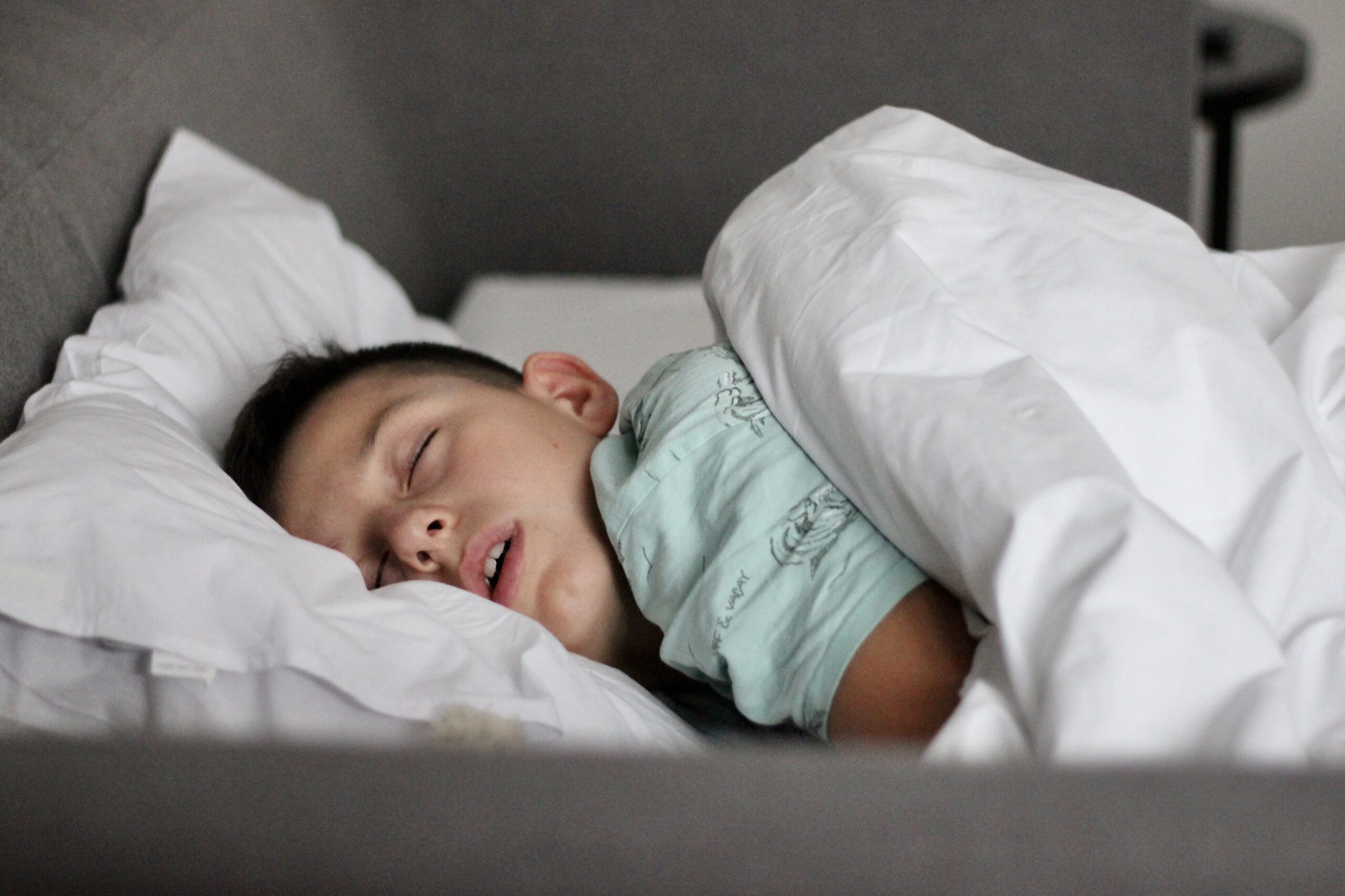
If your child sleeps with their mouth open, nasal congestion, allergies, enlarged adenoids or tonsils, and oral habits may be part of the picture. An open mouth alone does not reveal the cause or diagnose sleep apnea. The useful next step is to notice the pattern and discuss persistent symptoms with your child’s healthcare team.
This article is general education and does not replace an individual evaluation.
Is It Normal for a Child to Sleep With Their Mouth Open?
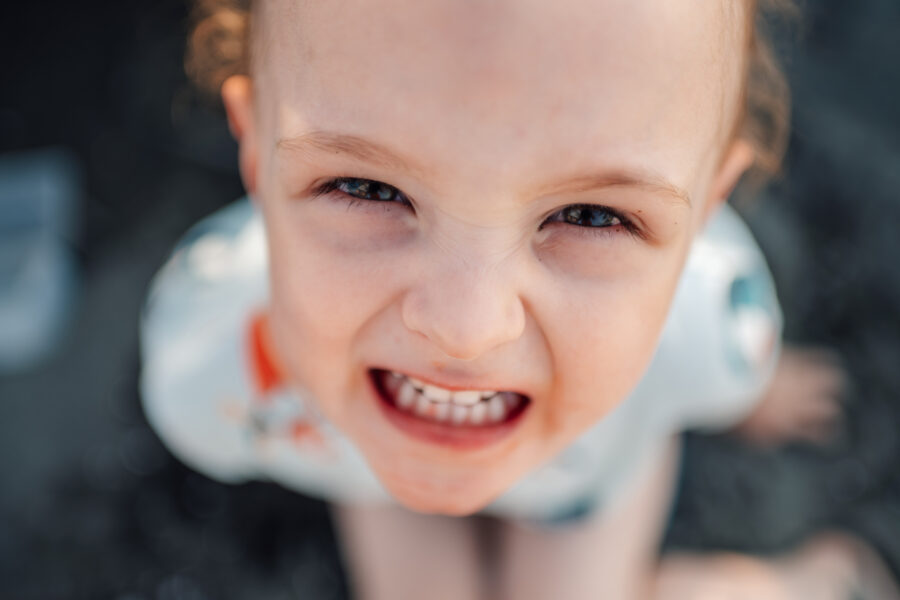
Occasional mouth-open sleeping during a cold may settle as congestion improves. An ongoing pattern, especially with snoring, restless sleep, gasping, or daytime tiredness, deserves attention. Lips can also rest apart without showing exactly how a child is breathing, so a photograph alone cannot establish a breathing disorder.
What Can Contribute to Mouth Breathing in Children?
Several factors may coexist. An evaluation should consider breathing comfort, health history, development, and oral function rather than assume one explanation.
| Possible contributor | Examples | What needs assessment |
|---|---|---|
| Nasal or upper-airway obstruction | Allergies, congestion, enlarged adenoids or tonsils | Whether airflow is restricted and medical treatment is needed |
| Persistent oral habit | Mouth-open posture continuing after illness | Whether comfortable nasal breathing is available before working on habits |
| Oral structure and function | Bite, palate, tongue mobility, lip function | How the findings relate to symptoms; appearance alone does not establish the cause |
Tongue-tie is not an automatic explanation. Finding restricted tissue does not establish that a release, expansion, or exercise program will resolve mouth breathing.
When Should You Ask for Help?
Arrange an assessment if the pattern persists after illness or occurs with regular snoring, restless sleep, morning dry mouth, or changes in daytime energy and concentration. See our guide to snoring in children and when to ask for an evaluation.
Tell your child’s pediatrician promptly about witnessed breathing pauses, gasping, or labored breathing during sleep. Seek emergency help for severe breathing difficulty or blue or gray lips. Do not wait for a dental screening in an urgent situation.
Can Mouth Breathing Affect Facial Growth?
Studies have found associations between persistent mouth breathing and differences in facial growth and bite. These findings do not mean every child who sleeps with an open mouth will develop a particular facial shape. They also do not prove that mouth breathing alone caused an individual child’s growth pattern.
A dental examination can assess bite and oral development alongside breathing concerns. Recommendations should follow those findings, not a predicted outcome based on a photograph or symptom.
Can Mouth Breathing Affect Speech?
Mouth-open posture, tongue-placement differences, and speech concerns can occur together. Speech difficulties have several possible causes, and a speech-language pathologist can assess communication concerns. Myofunctional work may address an identified oral-function concern, but it does not replace indicated speech therapy. Read our comparison of myofunctional therapy and speech therapy.
Where Tongue Posture and Lip Seal Fit In
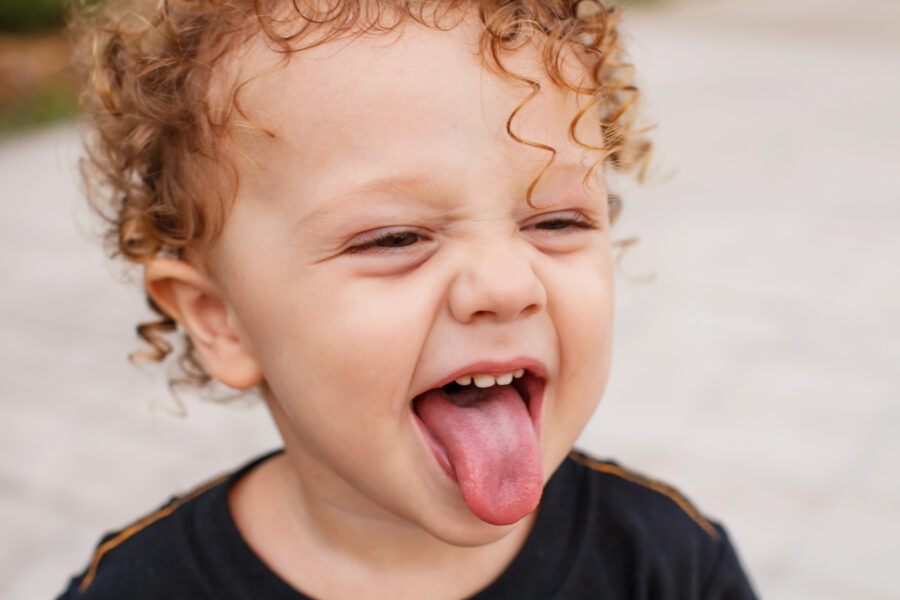
Dr. Kristin Skow describes tongue placement and lip function as parts of a myofunctional assessment. Tongue rest posture means where the tongue sits between speaking, eating, and swallowing. A comfortable lip seal means the lips can meet at rest without strain. Both are assessed in the context of a child’s age and development.
These observations do not explain why a child breathes through the mouth. If allergies, enlarged tissues, or another obstruction make nasal breathing difficult, appropriate medical assessment comes before trying to change breathing habits. Do not force the lips closed or require nasal breathing when it is uncomfortable.
After airway concerns are assessed and managed, an individualized plan may address a remaining oral habit when appropriate for the child’s age, abilities, and findings. Learn about our airway and sleep screening and evaluation of tongue movement and oral habits.
In the video below, Dr. Skow introduces why mouth breathing deserves attention. Persistent symptoms need an individual assessment; mouth-open posture alone does not establish a dental disease or sleep disorder.
Useful Observations to Share With a Provider
Dr. Skow asks families to explain what prompted the visit and what they hope to understand. Before the appointment, note:
- How often it happens, when it started, and whether it changes with illness or allergy symptoms.
- Snoring, gasping, witnessed pauses, restless sleep, or unusual sleep positions.
- Mouth breathing during the day, nasal stuffiness, and whether lip closure seems comfortable without prompting.
- Morning dry mouth, tiredness, or changes in attention or behavior.
- Speech, chewing, swallowing, or dental concerns.
- Previous pediatrician, ENT, allergy, dental, or speech evaluations and any treatment response.
Bring relevant reports and a medication list, and complete the practice’s intake forms. Ask: “What needs medical assessment first, and what would a functional evaluation add?” These details guide questions; they do not diagnose the cause.
The Roles of the Dentist, Pediatrician, and ENT
| Provider | Contribution | Possible next step |
|---|---|---|
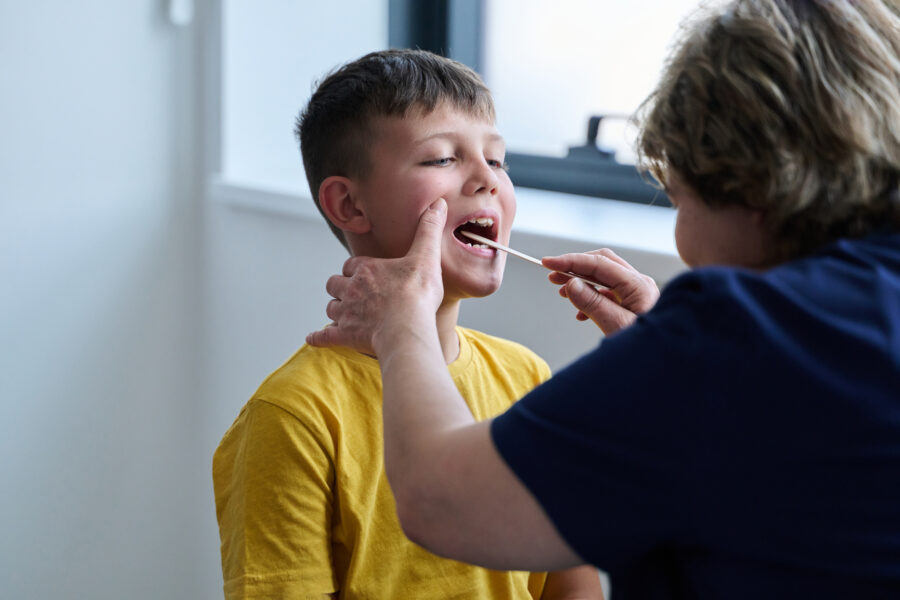
| Dentist | Examines oral health, bite, palate, tongue movement, and oral habits; screens for concerns | Explains dental findings and coordinates further assessment |
| Pediatrician | Reviews overall health, sleep symptoms, growth, allergies, and examination findings | Manages medical concerns and arranges specialist referral or sleep assessment when appropriate |
| ENT or sleep specialist | Investigates suspected obstruction or sleep-related breathing problems within their specialty | Recommends appropriate testing and treatment based on the findings |
Screening Is Different From Diagnosis
A dental screening identifies reasons to investigate further. It cannot diagnose sleep apnea or show everything happening during sleep. A medical professional determines whether a sleep study or other testing is needed. A treatment plan may involve medical care, dental care, or coordinated therapy; there is no single solution for every child.
Why We Do Not Recommend Mouth Taping for Children
Do not tape your child’s mouth closed or use a device to force it shut during sleep. This does not identify the cause and may interfere with breathing if the nose is obstructed. Seek an assessment rather than trying to enforce a breathing pattern at home.
Frequently Asked Questions
Does an open mouth mean my child has sleep apnea?
No. It is an observation to discuss, particularly with snoring or breathing pauses. Sleep apnea requires medical evaluation and appropriate testing.
Will tongue exercises solve the problem?
Not necessarily. Exercises cannot remove a nasal obstruction. Therapy should address specific findings after relevant airway concerns have been assessed.
Who should I see first?
A pediatrician is a useful starting point for persistent congestion or sleep symptoms. Your dentist can assess oral concerns and help coordinate care. Breathing pauses or labored breathing warrant prompt medical attention.
Getting Started in Spring Valley Wisconsin
If your child regularly sleeps with their mouth open, contact Spring Valley Dentistry to discuss dental screening and the appropriate next step. Tell us about previous medical assessments so we can build on the care already provided.
References
- American Speech-Language-Hearing Association. Orofacial Myofunctional Disorders. Practice Portal.
- Zhao Z, et al. Effects of mouth breathing on facial skeletal development in children: a systematic review and meta-analysis. BMC Oral Health. 2021;21:108. doi:10.1186/s12903-021-01458-7.